WW2 Combatives part 1
Related Videos
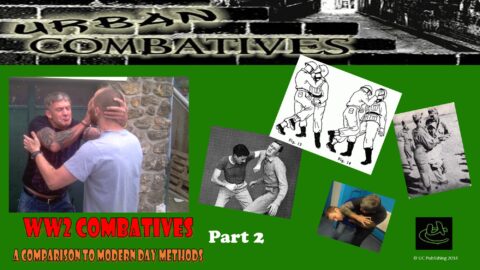
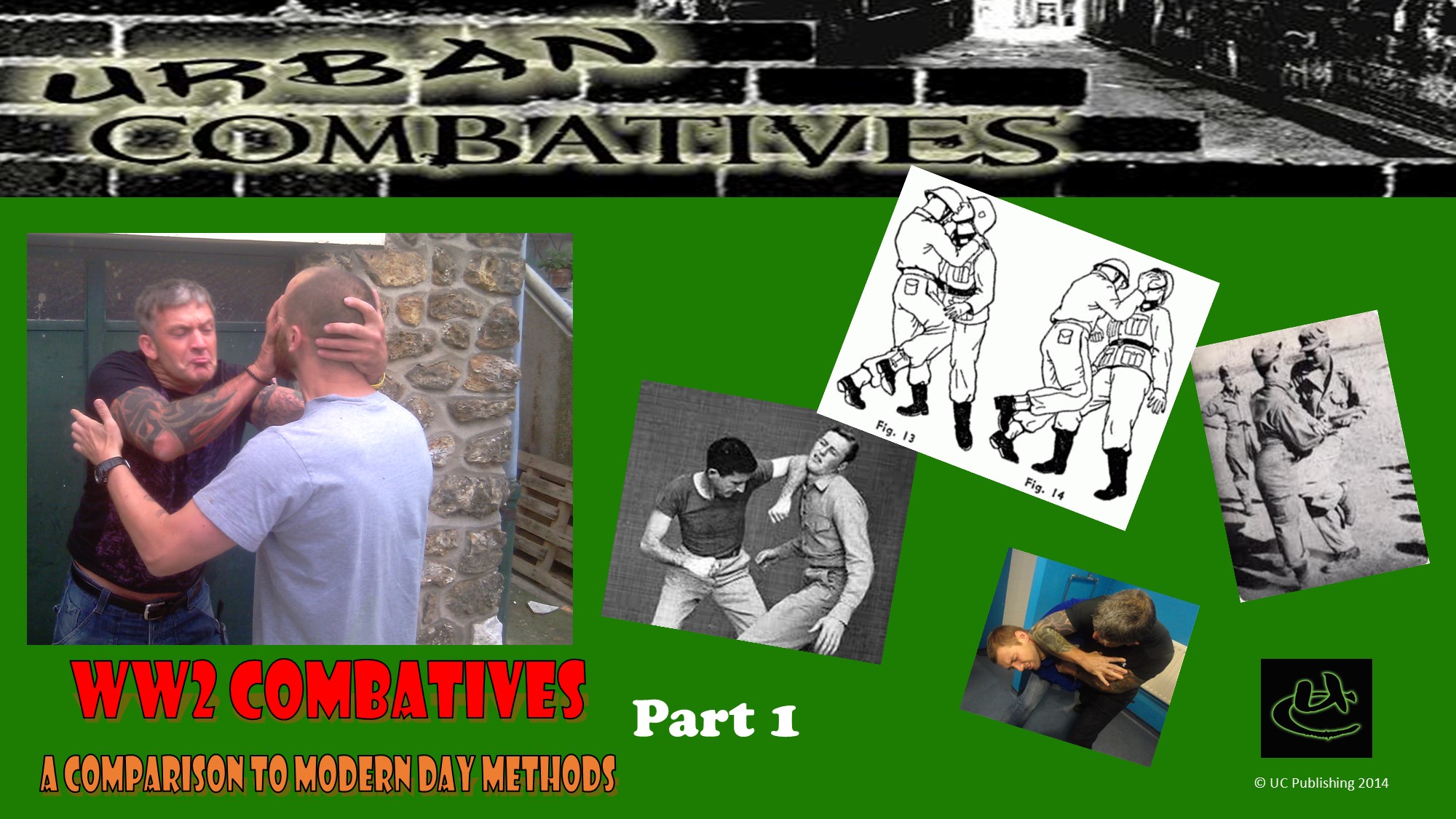
In this program we look at a comparison between the unarmed Combatives taught during the WW2 period compared to that of modern day Combative training.
Here We look at the kind of people that were learning for operational purposes and more importantly at some of the key figures that taught it during the war years.
For this we look to what was taught primarily in the UK and in the US. FROM THE British Commando /Auxiliary & s.o.e periods influenced by W.E. Fairbairn & E.A. Sykes.
To Dermot Pat O’Neil & John Jasper Styers of the US Army & US Marine Corp. WE also look AT THE Commonalties THAT Remain A CONSTANT TODAY FOR ANY WORTHY Combatives curriculum such as principle based methods, compressed curriculum and mentality driven emphasis.
Quite often the unarmed combat module of training constituted no more than 3 percent of the overall learning that some of these soldiers and operatives had to undertake, no more than a matter of hours, to learn something that could save your life or buy you time to get to a weapon before being sent to occupied territory where what you had learned ‘had to work’ or you wouldn't make it home!
This program is for historical study but also takes in to account the differing rules of engagement compared to today’s need for civilian self-protection and at what we have taken and continue to employ from the influence some of our close combat forefathers! enjoy UC 2014
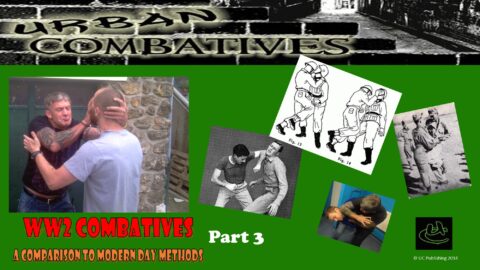
In this program we look at a comparison between the unarmed Combatives taught during the WW2 period compared to that of modern day Combative training.
Here We look at the kind of people that were learning for operational purposes and more importantly at some of the key figures that taught it during the war years.
For this we look to what was taught primarily in the UK and in the US. FROM THE British Commando /Auxiliary & s.o.e periods influenced by W.E. Fairbairn & E.A. Sykes.
To Dermot Pat O’Neil & John Jasper Styers of the US Army & US Marine Corp. WE also look AT THE Commonalties THAT Remain A CONSTANT TODAY FOR ANY WORTHY Combatives curriculum such as principle based methods, compressed curriculum and mentality driven emphasis.
Quite often the unarmed combat module of training constituted no more than 3 percent of the overall learning that some of these soldiers and operatives had to undertake, no more than a matter of hours, to learn something that could save your life or buy you time to get to a weapon before being sent to occupied territory where what you had learned ‘had to work’ or you wouldn't make it home!
This program is for historical study but also takes in to account the differing rules of engagement compared to today’s need for civilian self-protection and at what we have taken and continue to employ from the influence some of our close combat forefathers! enjoy UC 2014

In this two-disc DVD project we take an in-depth look into the key Directives and Principles that drive any good Combative training curriculum or practiced method of Self-Protection and Personal Security. Techniques and physical skill-sets are secondary to the mentality and concepts that drive them.
We all know that any Conflict Resolution begin and end in your head, getting your head right pre-fight, in-fight & post-fight is absolutely essential. Combative perspective and attitude must be in place before the event.
From there if we must use force, then we want the most tactical application of physical force possible; hence our need for directives and principles. These boil down to two key psychological and physical attributes, “Impact with Attitude!”
These are the two key factors that should remain foundational to all forms of Combative efficiency, not this technique or that technique, or this piece of KIT or that piece of KIT; yes we need technical proficiency and yes KIT is useful but without MINDSET and Tactical Application the rest is ‘fluff!’ For the student of Combatives who is lucky enough to have the guidance of a good instructor, the most important priority lies in learning competent, conceptually driven skills, meaning just learn how to do it!
For learning and understanding beyond this point, as well as for instructors looking to install competence in their students; there is now a need to understand the actual how and why something actually works! The nuances of how something comes together to form a successful outcome. This project gives you UC‘s take on the said nuances, absorb and enjoy! LM 2010