
WW2 Combatives part 1
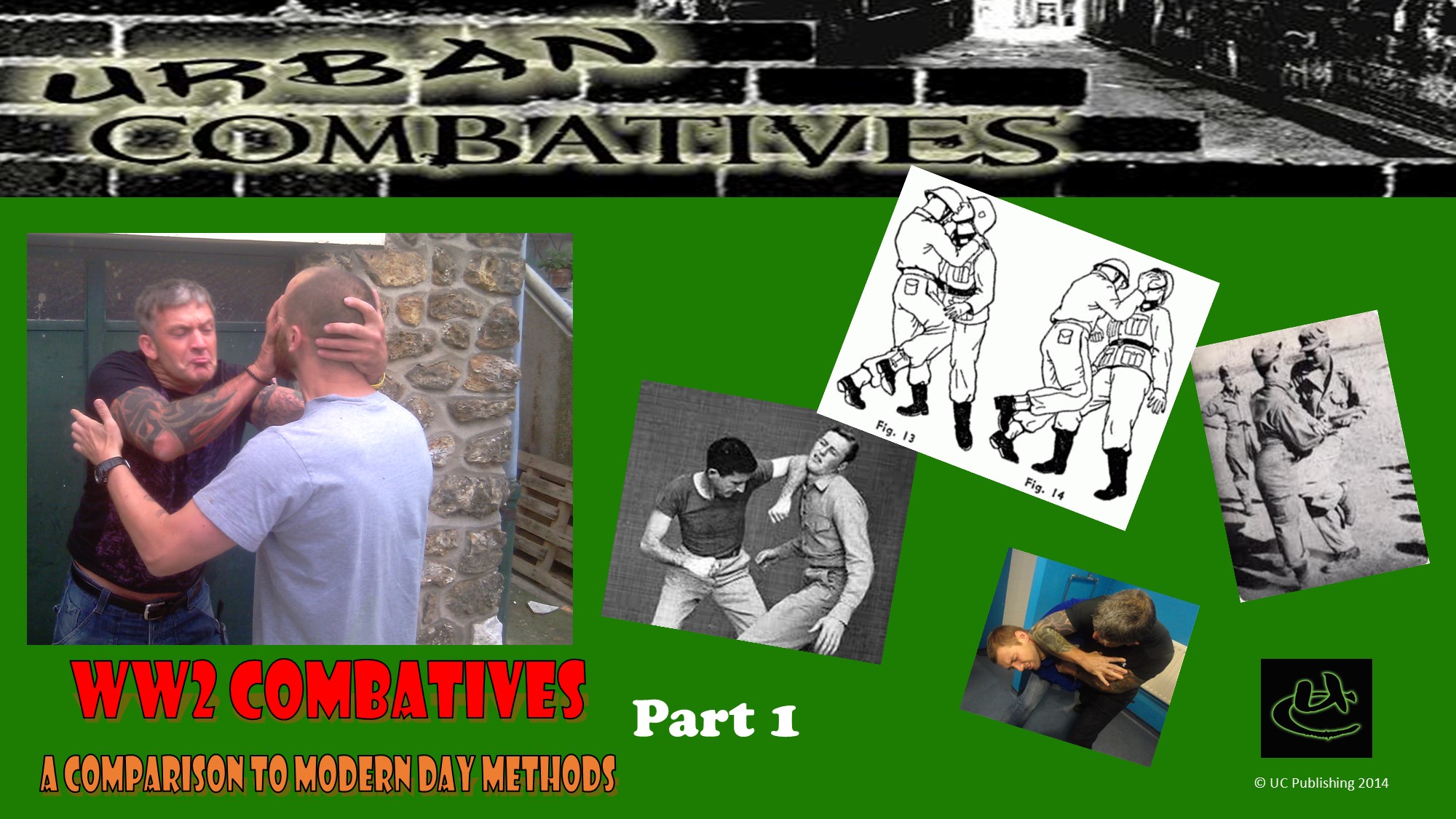
In this program we look at a comparison between the unarmed Combatives taught during the WW2 period compared to that of modern day Combative training.
Here We look at the kind of people that were learning for operational purposes and more importantly at some of the key figures that taught it during the war years.
For this we look to what was taught primarily in the UK and in the US. FROM THE British Commando /Auxiliary & s.o.e periods influenced by W.E. Fairbairn & E.A. Sykes.
To Dermot Pat O’Neil & John Jasper Styers of the US Army & US Marine Corp. WE also look AT THE Commonalties THAT Remain A CONSTANT TODAY FOR ANY WORTHY Combatives curriculum such as principle based methods, compressed curriculum and mentality driven emphasis.
Quite often the unarmed combat module of training constituted no more than 3 percent of the overall learning that some of these soldiers and operatives had to undertake, no more than a matter of hours, to learn something that could save your life or buy you time to get to a weapon before being sent to occupied territory where what you had learned ‘had to work’ or you wouldn't make it home!
This program is for historical study but also takes in to account the differing rules of engagement compared to today’s need for civilian self-protection and at what we have taken and continue to employ from the influence some of our close combat forefathers! enjoy UC 2014
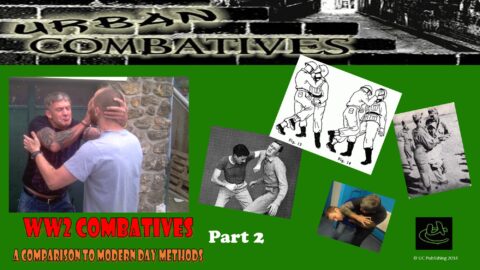
In this program we look at a comparison between the unarmed Combatives taught during the WW2 period compared to that of modern day Combative training.
Here We look at the kind of people that were learning for operational purposes and more importantly at some of the key figures that taught it during the war years.
For this we look to what was taught primarily in the UK and in the US. FROM THE British Commando /Auxiliary & s.o.e periods influenced by W.E. Fairbairn & E.A. Sykes.
To Dermot Pat O’Neil & John Jasper Styers of the US Army & US Marine Corp. WE also look AT THE Commonalties THAT Remain A CONSTANT TODAY FOR ANY WORTHY Combatives curriculum such as principle based methods, compressed curriculum and mentality driven emphasis.
Quite often the unarmed combat module of training constituted no more than 3 percent of the overall learning that some of these soldiers and operatives had to undertake, no more than a matter of hours, to learn something that could save your life or buy you time to get to a weapon before being sent to occupied territory where what you had learned ‘had to work’ or you wouldn't make it home!
This program is for historical study but also takes in to account the differing rules of engagement compared to today’s need for civilian self-protection and at what we have taken and continue to employ from the influence some of our close combat forefathers! enjoy UC 2014
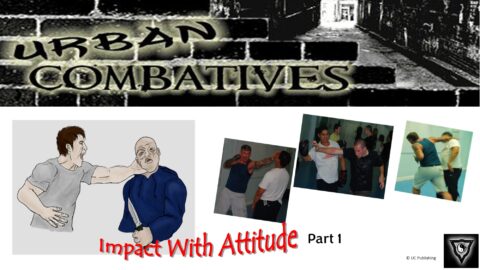
In this two disc instructional program we take a specific look into IMPACT DYNAMICS, along with the key elements that equate to hitting with Knock Out Juice...All individuals that perform any skill or task extremely well will all share certain commonality and natural born hard hitters are no different.
You can take anyone from a specific Combat Sport Athlete to the natural born Street Scrapper and chances are, if their known for their specific KO impact power they will share similar attributes. In this program we analyse the key factors involved along with the very latest cutting edge research regarding sport and task specific training concepts, for developing such attributes for knock out impact power in Hard Skill Striking. Here we cover such dynamics as correct tool and targeting, range, body mechanics, psychological Intent, non-telegraphic delivery, unobtrusive platforms, economy of motion, cultivating explosiveness, complex strength training, speed training, core rotational development along a specific look at training equipment for Plyometric training and Speed-Strength specific training drills.
The information in this program is designed to be implemented into the Combative trainee’s current program with the absolute intention of upping your game. Enjoy; UC 20011
Hope you like it...LM
Related Videos
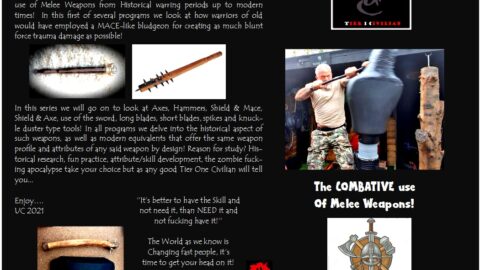
In this program we look at a comparison between the unarmed Combatives taught during the WW2 period compared to that of modern day Combative training.
Here We look at the kind of people that were learning for operational purposes and more importantly at some of the key figures that taught it during the war years.
For this we look to what was taught primarily in the UK and in the US. FROM THE British Commando /Auxiliary & s.o.e periods influenced by W.E. Fairbairn & E.A. Sykes.
To Dermot Pat O’Neil & John Jasper Styers of the US Army & US Marine Corp. WE also look AT THE Commonalties THAT Remain A CONSTANT TODAY FOR ANY WORTHY Combatives curriculum such as principle based methods, compressed curriculum and mentality driven emphasis.
Quite often the unarmed combat module of training constituted no more than 3 percent of the overall learning that some of these soldiers and operatives had to undertake, no more than a matter of hours, to learn something that could save your life or buy you time to get to a weapon before being sent to occupied territory where what you had learned ‘had to work’ or you wouldn't make it home!
This program is for historical study but also takes in to account the differing rules of engagement compared to today’s need for civilian self-protection and at what we have taken and continue to employ from the influence some of our close combat forefathers! enjoy UC 2014