
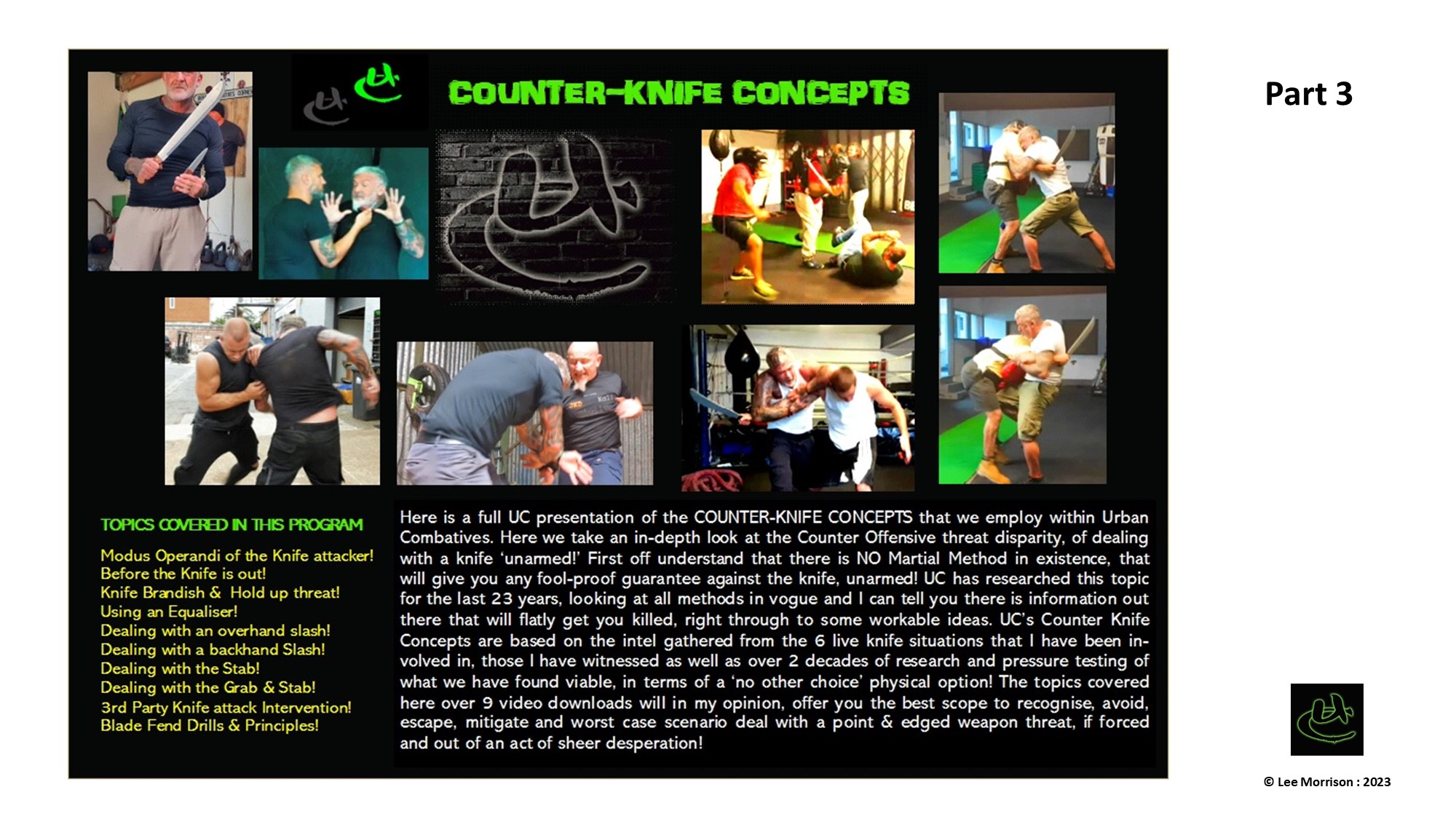
Counter Knife part 3
Introduction
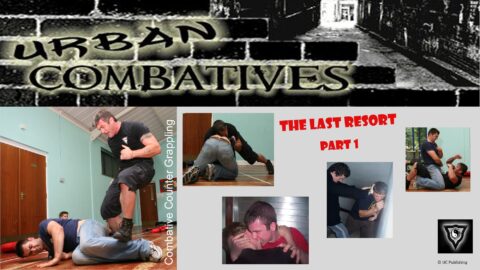
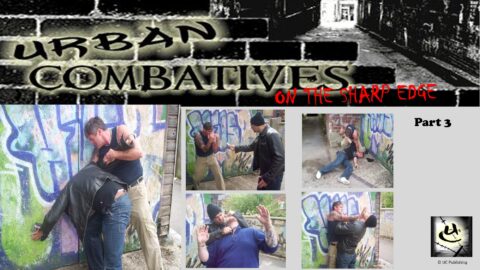
Grappling in any ‘’live’’ situation is really last resort stuff; the priority if avoidance and escape is not an option, is pre-emptive action via ballistic impact. If you have ended up on the ground then a mistake has been made and you will have to make the best out of a bad situation and quickly. The priority is to hurt your combative subject and get back to your feet as soon as you can.
Combative Counter Grappling
An Introduction to Counter Grappling (a last resort)
Secondary tools from ECQ
Restricted striking
Biting and gouging
Ballistic manipulations
Use of the environment
Counter grappling/vertical
Dealing with common grabs/holds
Countering Tackle
Counter grappling/horizontal
Passing the guard/street style
Attacking from the pins
Weapon access & deployment from ECQ
And Much More On This DVD
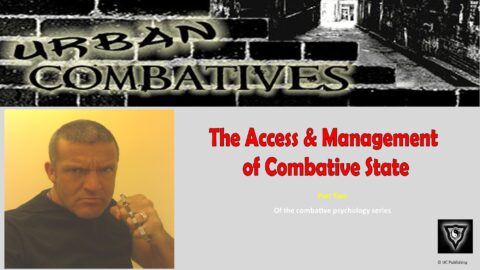
Outside of the more Combative or Reality based systems available, the most neglected aspect in the Martial Arts, Combative Sport and mainstream Self-defence relate to the mental aspect of any potentially violent confrontation.
The two main areas within this context relate to; Fear Control and the cultivation of a Combative Mentality or Mindset.
Part two of this series takes the viewer into the realms of State Access in regards to cultivating the most resourceful mental state over the full spectrum of a violent confrontation; where you need to be mentally and physically pre-fight, during the event (conflict phase) and just as importantly, post-fight after the event.
We go on to look at State Management in relation to learning to control fear, adrenaline pain, fatigue and aggression incorporating advice and influence from some of the best Combative instructors in the world along with conclusions gained from my own intense study, training and experience of this subject. Filmed during one of our UC workshops, we incorporate practical drills, in both design and application that give demonsratable feedback in an immediate sense. This 2-part series will benefit anyone interested in managing stress relating to violent confrontation and is recommended for students and instructors alike.
WARNING: this program contains profanity, scenes of violence & aggression.
Related Videos
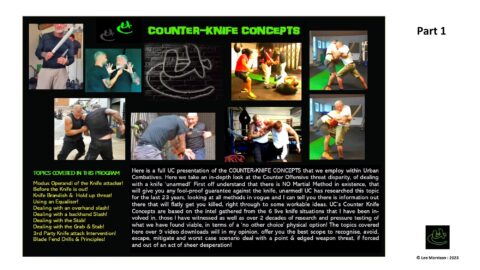
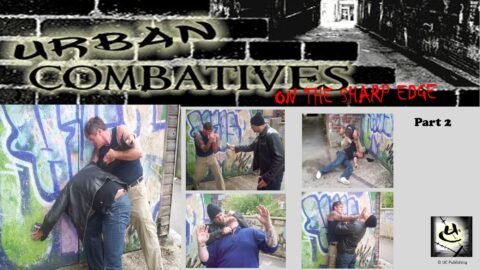
If we take a look into current UK statistics relating to knife crime, we can see that the equation is made up of multiple variables. Starting with youth or yob culture, it is clear that within the last 2 decades young people have become a lot more de-sensitised to violence in general, so much so that incidents of both knife carry as well as knife violence have been seen in youths from as young as 11 right through teenage years and beyond. In addition to this is the influx of multi-cultural society in the UK with people from all over the world, coming to the UK to live and work.
All of whom come with their own ideas and beliefs regarding what’s acceptable in terms of violence, which has been seen time and again, to include knife carry and usage as a cultural acceptance. Add to this, incidents of domestic and gratuitous knife violence often fuelled by alcohol, drugs and metal illness and you can see how a large percentage of reported violent offences in the UK have involved some kind of edged weapon. Such statistics have shown this to be the case to such a degree, that during any potentially violent confrontation we should expect a weapon and/or an accomplice.
Current UK laws are under review (with a view to imposing much harsher penalties for those caught carrying a knife) since the recent current boom of knife related tragedies such events have triggered frequent knife amnesties all over the UK, where knives and weapons of all kinds could be handed into any police station across the Country with no questions asked, in an attempt to get them off the streets. But the solid fact remains that its not knives and similar sharp items that are the problem. Any and all such things are simply tools, place even the most ferocious looking knife into a draw for a hundred years and it won’t hurt anyone. It is an individual’s INTENTION to harm another that turns that tool into a weapon and no amount of amnesties or random searches will take away INTENTION.
If intention is present then you could wreak havoc with a pencil, a piece of ripped tin or a shard of glass. “On the sharp edge’’ makes no bones about the fact that no one system of martial art or Combatives holds all the answers, in terms of a fail safe method of dealing with a knife unarmed! What it does offer is education and a heightened awareness to the problem.
In addition to this, it offers a logical physical response borne from live experience and the acid test of stress training. This programme is presented in a progressive and workable format and is intended for use in conjunction with and active training programme. You have no business attempting such physicality's lightly without tenacious practice, unless out of an act of sheer desperation!”
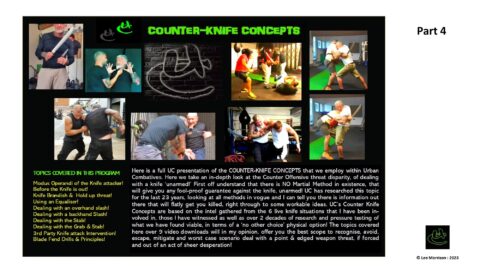
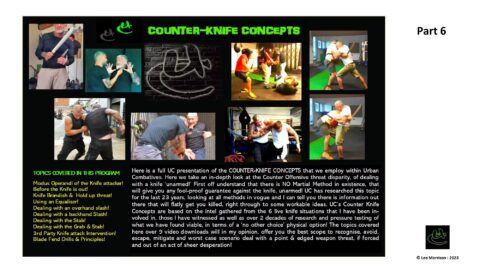
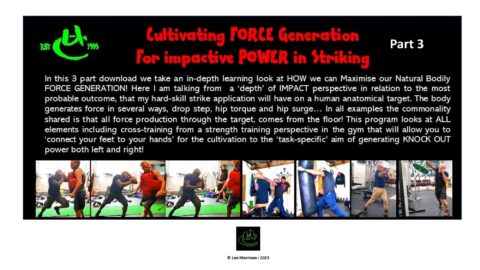
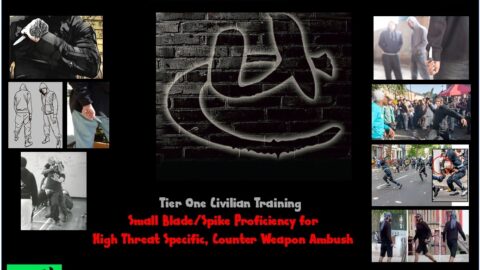
If we take a look into current UK statistics relating to knife crime, we can see that the equation is made up of multiple variables. Starting with youth or yob culture, it is clear that within the last 2 decades young people have become a lot more de-sensitised to violence in general, so much so that incidents of both knife carry as well as knife violence have been seen in youths from as young as 11 right through teenage years and beyond. In addition to this is the influx of multi-cultural society in the UK with people from all over the world, coming to the UK to live and work.
All of whom come with their own ideas and beliefs regarding what’s acceptable in terms of violence, which has been seen time and again, to include knife carry and usage as a cultural acceptance. Add to this, incidents of domestic and gratuitous knife violence often fuelled by alcohol, drugs and metal illness and you can see how a large percentage of reported violent offences in the UK have involved some kind of edged weapon. Such statistics have shown this to be the case to such a degree, that during any potentially violent confrontation we should expect a weapon and/or an accomplice.
Current UK laws are under review (with a view to imposing much harsher penalties for those caught carrying a knife) since the recent current boom of knife related tragedies such events have triggered frequent knife amnesties all over the UK, where knives and weapons of all kinds could be handed into any police station across the Country with no questions asked, in an attempt to get them off the streets. But the solid fact remains that its not knives and similar sharp items that are the problem. Any and all such things are simply tools, place even the most ferocious looking knife into a draw for a hundred years and it won’t hurt anyone. It is an individual’s INTENTION to harm another that turns that tool into a weapon and no amount of amnesties or random searches will take away INTENTION.
If intention is present then you could wreak havoc with a pencil, a piece of ripped tin or a shard of glass. “On the sharp edge’’ makes no bones about the fact that no one system of martial art or Combatives holds all the answers, in terms of a fail safe method of dealing with a knife unarmed! What it does offer is education and a heightened awareness to the problem.
In addition to this, it offers a logical physical response borne from live experience and the acid test of stress training. This programme is presented in a progressive and workable format and is intended for use in conjunction with and active training programme. You have no business attempting such physicality's lightly without tenacious practice, unless out of an act of sheer desperation!”
Introduction
Grappling in any ‘’live’’ situation is really last resort stuff; the priority if avoidance and escape is not an option, is pre-emptive action via ballistic impact. If you have ended up on the ground then a mistake has been made and you will have to make the best out of a bad situation and quickly. The priority is to hurt your combative subject and get back to your feet as soon as you can.
Combative Counter Grappling
An Introduction to Counter Grappling (a last resort)
Secondary tools from ECQ
Restricted striking
Biting and gouging
Ballistic manipulations
Use of the environment
Counter grappling/vertical
Dealing with common grabs/holds
Countering Tackle
Counter grappling/horizontal
Passing the guard/street style
Attacking from the pins
Weapon access & deployment from ECQ
And Much More On This DVD
Outside of the more Combative or Reality based systems available, the most neglected aspect in the Martial Arts, Combative Sport and mainstream Self-defence relate to the mental aspect of any potentially violent confrontation.
The two main areas within this context relate to; Fear Control and the cultivation of a Combative Mentality or Mindset.
Part two of this series takes the viewer into the realms of State Access in regards to cultivating the most resourceful mental state over the full spectrum of a violent confrontation; where you need to be mentally and physically pre-fight, during the event (conflict phase) and just as importantly, post-fight after the event.
We go on to look at State Management in relation to learning to control fear, adrenaline pain, fatigue and aggression incorporating advice and influence from some of the best Combative instructors in the world along with conclusions gained from my own intense study, training and experience of this subject. Filmed during one of our UC workshops, we incorporate practical drills, in both design and application that give demonsratable feedback in an immediate sense. This 2-part series will benefit anyone interested in managing stress relating to violent confrontation and is recommended for students and instructors alike.
WARNING: this program contains profanity, scenes of violence & aggression.